Introduction
Susan Cooper's The Dark Is Rising Sequence is undeniably good. These books have won multiple awards, including a Newbery Medal. They have been around for more than fifty years, and they have a devoted following. In 2022, the BBC produced an entire radio adaptation of The Dark Is Rising , released around the winter solstice. Yet, I do not see these books discussed nearly as often as I think they deserve.
This is a shame, because I think this might be one of the best gateway series into the older folklore and mythology that underpin so much modern fantasy.
Cooper wrote five books that weave together the mythology and folklore of the British Isles. She works English traditions, Welsh legends, Arthurian stories, and older Celtic influences into the warp and weft of her universe, creating something that feels even older than the stories she borrowed from.
If you've got a kid you want to introduce to that world, I think this is a fantastic starting point. Not because these books teach you the mythology directly, but because they introduce you to the ideas. She references ancient powers, old magic, strange creatures, and rules and obligations that govern the supernatural world, giving the reader the sense that the world we know sits on top of another that's been there for thousands of years.
I recently finished rereading all five books, and I want to talk about what makes this sequence special, how well it holds up, and some of the mythology Cooper has woven through the stories. Fair warning: we're going to get into spoilers, if that’s possible for a 50-year-old series, including the ending.
The Structure Of The Sequence
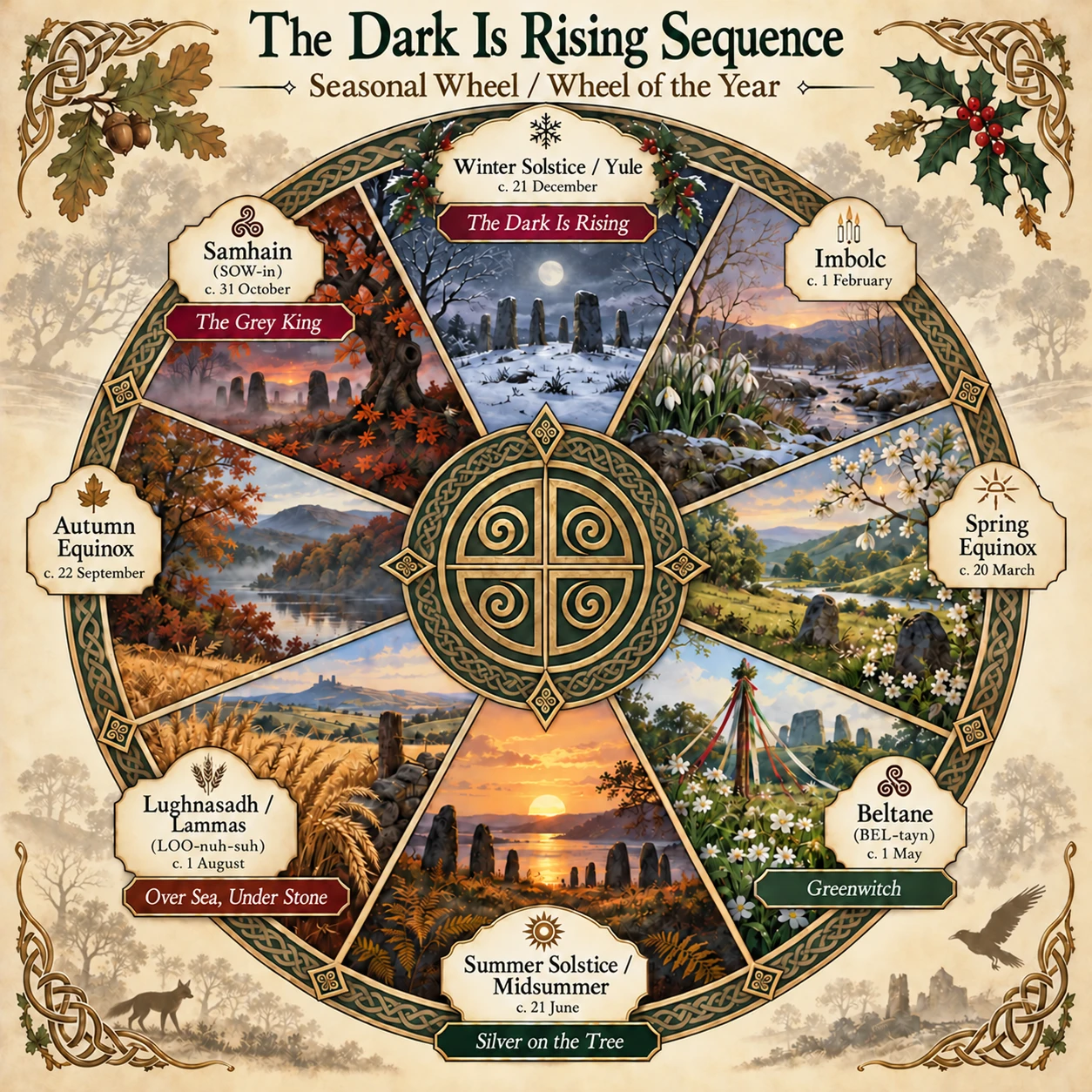
One of the things I did not fully appreciate when I first read these books is just how deliberately Cooper structured the entire sequence around the old seasonal calendar of the British Isles. The five stories correspond to Lammas, the winter solstice, Beltane, Samhain, and the summer solstice.
Lammas, around the beginning of August, overlaps with the traditional Gaelic festival of Lughnasadh. Beltane marks the beginning of summer in the old Gaelic calendar, while Samhain marks the beginning of winter, and the two solstices mark the longest and shortest days of the year.
Interestingly, readers have not simply imposed this on the books decades later. Cooper actually laid out the seasonal associations in her original planning notes, although the dates in the finished stories do not always align perfectly. Even the timing of these adventures is rooted in older traditions, which matters because, in Cooper's world, the season, the landscape, and even the time of day can carry supernatural significance.
But the seasonal calendar is only one part of what she's doing. Bits and pieces of older mythology scatter throughout all five books, including Arthur, the Grail, the Fisher King, Taliesin, Guinevere, the Isle of Apples, and the Isle of Glass.
What I find fascinating is how Cooper's treatment of Arthur feels much closer to the older Welsh and Celtic traditions than to the version most people recognize. Most people think of King Arthur as Camelot, the Round Table, knights in shining armor, tournaments, and chivalry. Essentially, the Arthurian world that eventually came together in Thomas Malory's Le Morte d'Arthur . But there's an older Arthur.
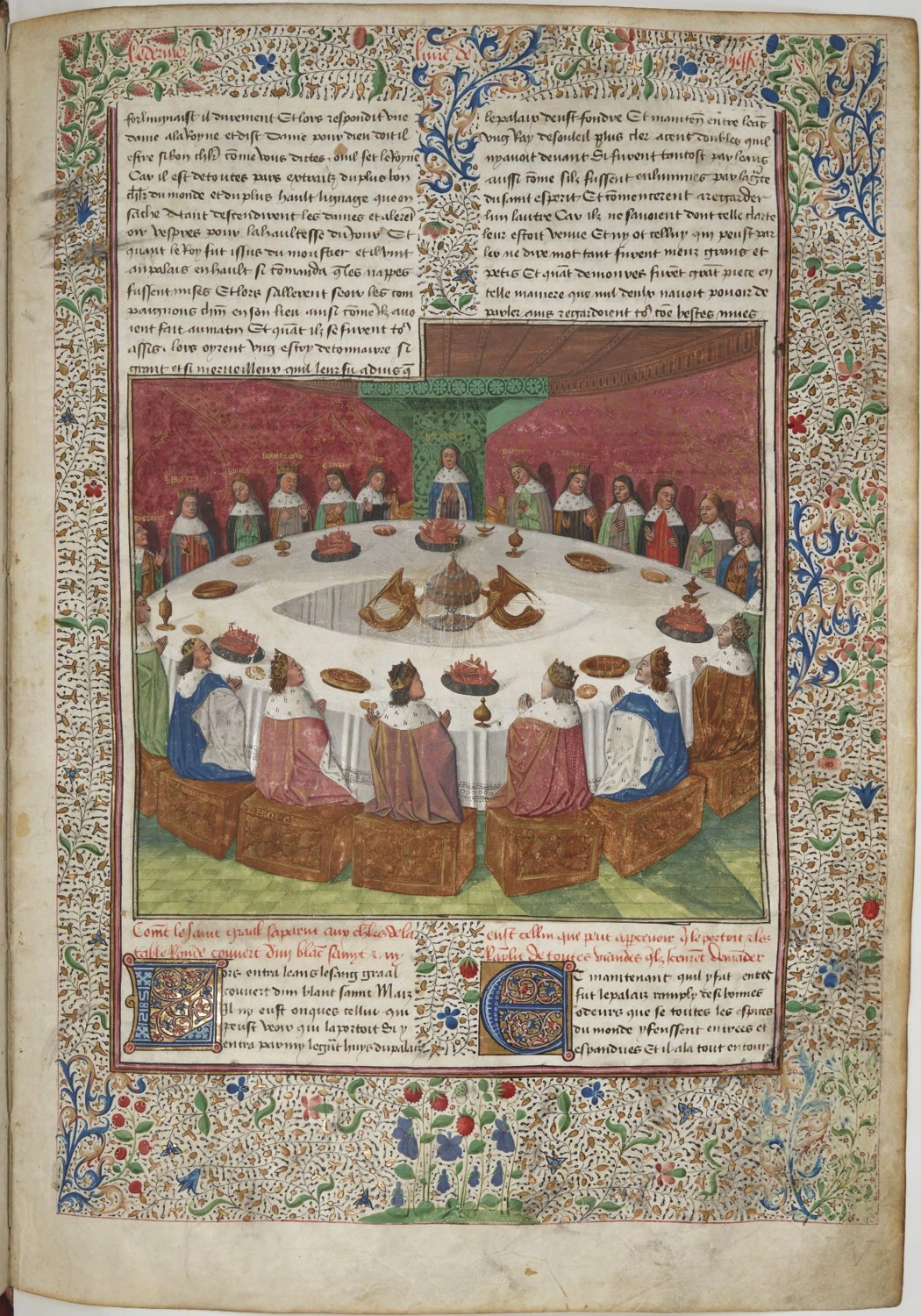
A warrior from post-Roman Britain, surrounded by supernatural beings, mysterious places, and magic that doesn't always follow the rules of later medieval romances. If you have read Stephen Lawhead's Pendragon Cycle , or Patricia Kennealy-Morrison's Tales of Arthur , you'll recognize some of this. They are very different books, and Kennealy-Morrison takes the whole thing into science fantasy, but both draw heavily on that older Celtic understanding of Arthur.
I think that is much closer to what Cooper is doing. Not that she is ignoring the later medieval traditions. The Grail, for example, comes out of those romances, and Cooper combines older and later Arthurian imagery throughout the sequence. But she takes pieces of mythology that developed over hundreds of years and weaves them together so naturally that they feel like parts of the same ancient story.
You do not need to recognize any of these references to enjoy the books. But once you start recognizing them, the stories take on an entirely different layer.
Book One: Over Sea, Under Stone
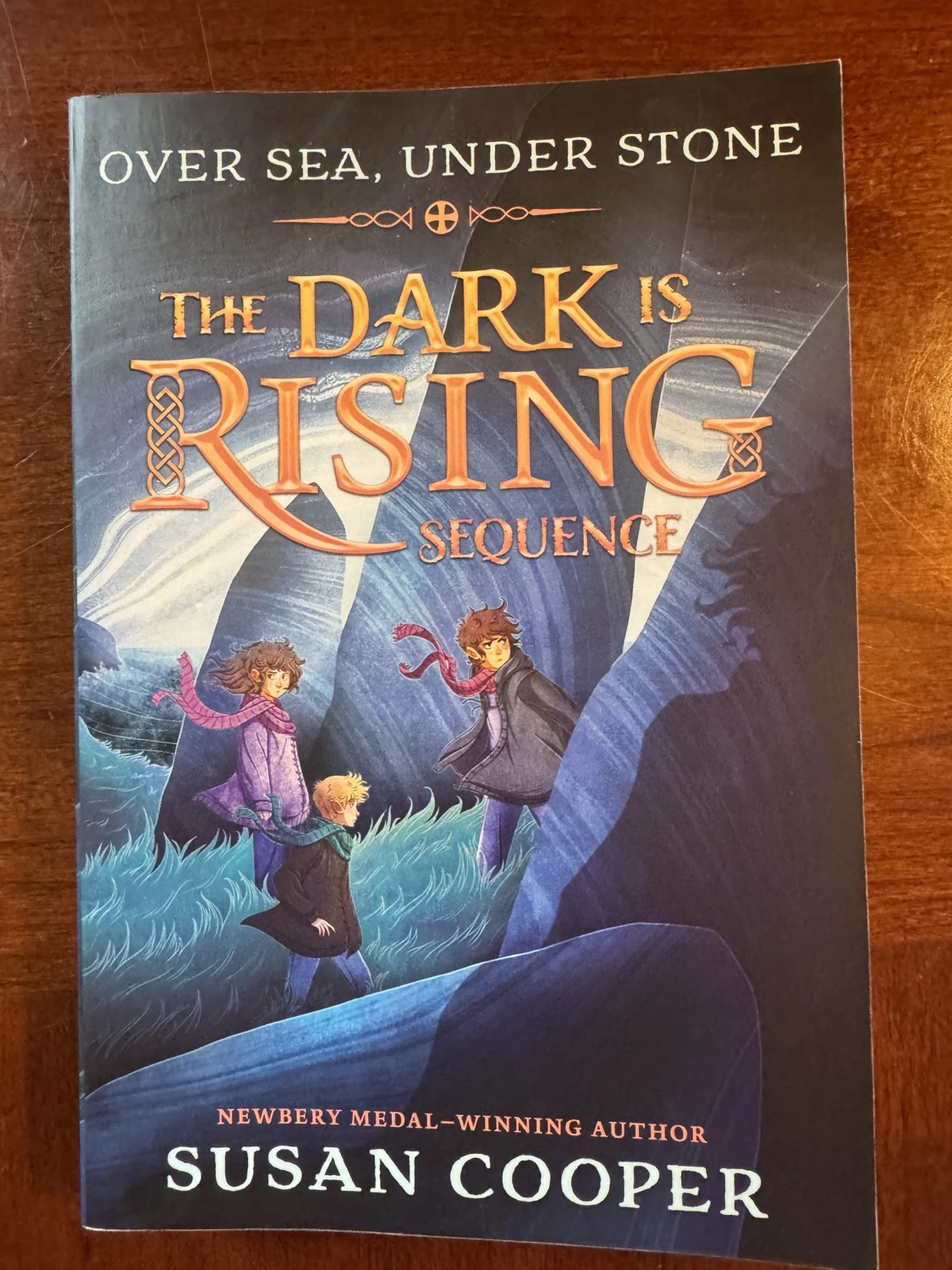
The first book, Over Sea, Under Stone , was published in 1965. It introduces us to Simon, Jane, and Barney Drew, three siblings on a summer holiday in the fictional Cornish fishing village of Trewissick. Trewissick is based on Mevagissey, a real Cornish fishing village where Cooper vacationed as a child.
Cornwall is a wonderful place to begin this sequence. An old fishing village feels almost fixed in time, regardless of what's happening in the modern world. It is easy to imagine ancient legends and forgotten magic surviving in a place like this.
The children are visiting with their family and their mysterious Great-Uncle Merry, who we eventually learn is Merriman Lyon, the first of the Old Ones, and he's strongly connected to the figure remembered in Arthurian legend as Merlin. Although, as Merriman himself might point out, that is just another name. In fact, Cooper later said that she did not fully recognize Merriman as Merlin until she was writing the end of this first book.
The children discover an ancient manuscript and map hidden in the house where they are staying, and with some pointed hints and a little guidance from Great-Uncle Merry, they set off on a quest to find the Grail. Along the way, they are pursued by some rather sinister characters who want the Grail for themselves. We eventually learn these people serve the Dark, though Cooper only hints at the much larger conflict.
Now, this book very much reads like a product of its time. The book spends a lot of time discussing what the children have in their pockets, what might be useful later, and how they will carry everything around, and once again, the rope trope appears. Apparently, no respectable children's adventure could get very far without somebody finding a use for a length of rope.
The pacing is also a little slower than you might expect from a modern fantasy novel. But I think it absolutely holds up.
It's a good adventure story, the setting is wonderful, and Cooper does a terrific job of suggesting something much older and stranger is happening just beyond what the children understand. That is really the foundation for everything that follows. If Over Sea, Under Stone is Cooper scratching the surface of her mythology, then the second book throws us right into the middle of it.
Book Two: The Dark Is Rising
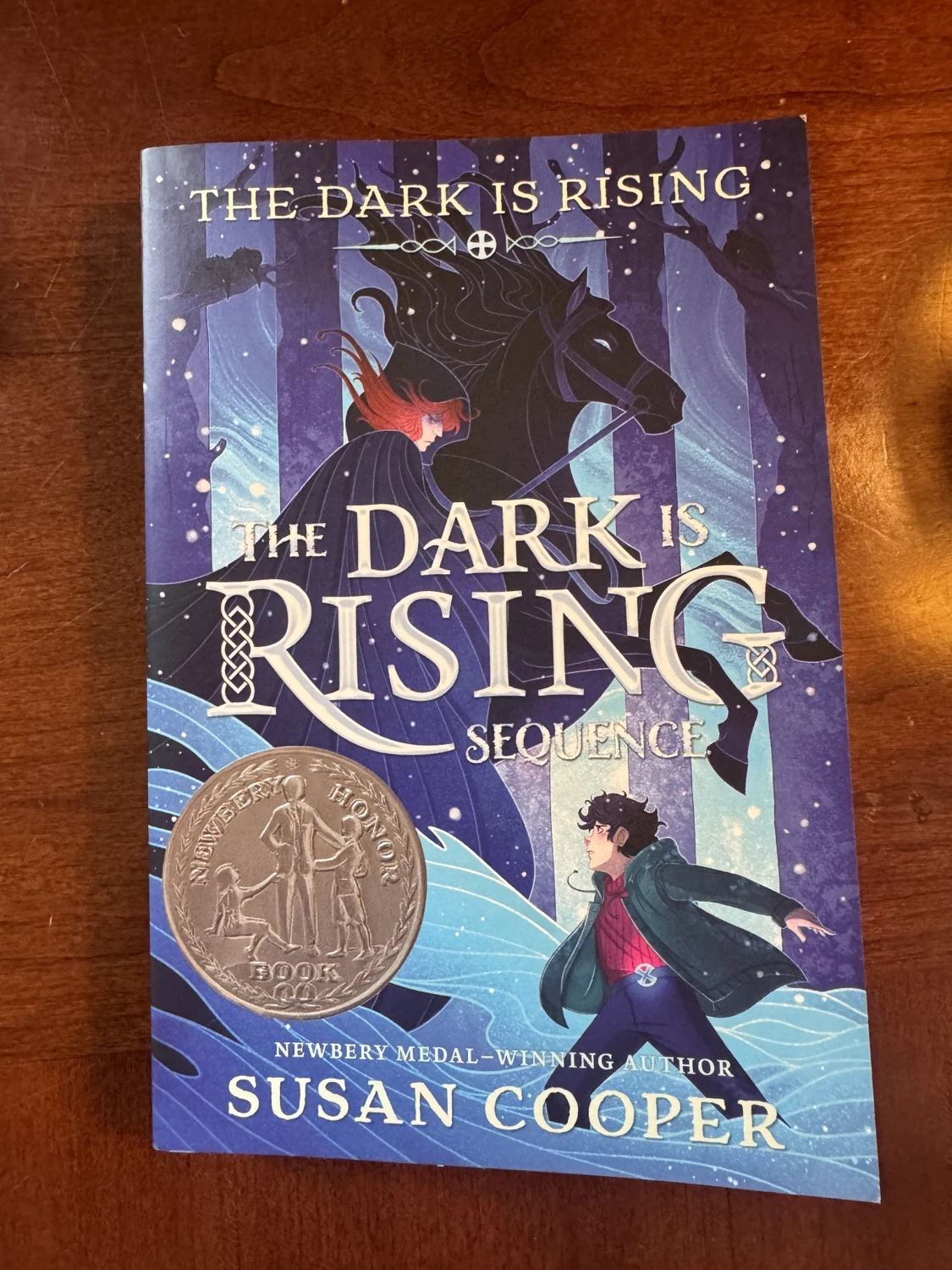
The Dark Is Rising was published in 1973, and this is where the series really becomes something different. We meet Will Stanton, the seventh son of a seventh son, on the eve of his eleventh birthday, and I think I was about the same age when I first read this book. There is a line very early in the story, on page nine of the edition I just reread, that has stayed with me all these years:
"This night will be bad, and tomorrow will be beyond imagining."
I do not know why that particular line stayed with me, but I remembered it almost perfectly more than thirty years later, and it sets the tone for the entire book.
Will discovers that he is the last of the Old Ones, ancient beings who serve the Light in its struggle against the Dark. His eleventh birthday falls just before the winter solstice, and suddenly the ordinary world around him becomes something much older and far more dangerous. We meet Merriman again; this time we begin to understand who he really is, and what he really is.
We are properly introduced to the Light and the Dark, the Old Ones, and the Black Rider, one of the great Lords of the Dark. A wonderful short scene shows the Rider offering to break bread with Will, but Will refuses.
It is a brief encounter, but it immediately reminded me of all those old stories about the fae, where accepting food or favors from supernatural beings can create obligations you don't understand. Ask no favors, and eat nothing offered by the fae! The whole book is full of details like that: the winter solstice, holly as protection, running water as a barrier to magic, ancient symbols, the power of names, and the idea that certain places and times matter in ways most people have forgotten.
All these bits and pieces of British folklore are woven into the story so naturally that they feel like the underlying rules of the world. In modern fantasy, these rules have become so familiar that we almost take them for granted. Will's task is to gather the six Signs of the Light, wood, bronze, iron, water, fire, and stone, moving through time as he fulfills an ancient prophecy. Together, the Signs form a power that can turn back the rising Dark.
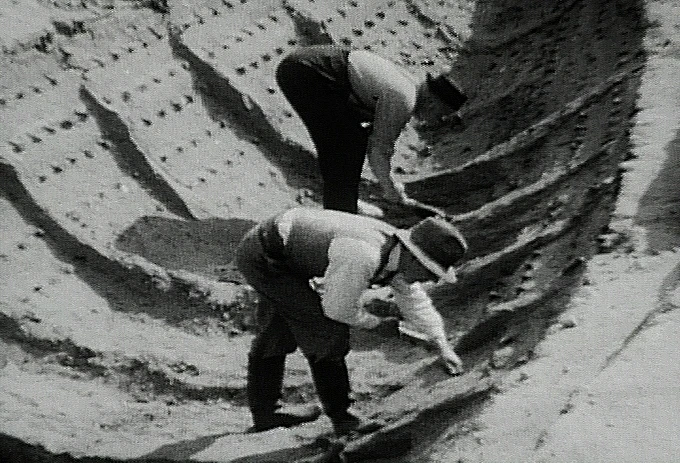
The Light and the Dark can influence the weather, move through time, and affect the ordinary world in ways humans can barely comprehend. The story also includes a fascinating scene involving an ancient king laid to rest in a ship, very much in the tradition of the great ship burials of early medieval Britain. Again, Cooper is reaching back into distant history and legend, bringing another ancient figure into this ongoing struggle.
Long before readers of The Witcher encountered the Wild Hunt, Cooper gave us Herne the Hunter. At the climax of the book, Herne rides out with the Wild Hunt, a terrifying supernatural host that drives the Black Rider and the forces of the Dark away. There's something I love about this. In a lot of folklore, the Wild Hunt is something to be feared. It is an omen of death or disaster, something you absolutely do not want to encounter. But Cooper turns it against the Dark. That does not make Herne or the Hunt any less terrifying. They are an ancient, elemental power, something even the great Lords of the Dark cannot stand against, and Cooper does not feel the need to explain every detail. Herne the Hunter comes from English tradition, while the Wild Hunt belongs to a much broader body of European folklore. Cooper brings them together, and they fit naturally into her world.
The entire book feels much older than Over Sea, Under Stone . Not older in terms of the writing, necessarily, but in its atmosphere. It is as though we have moved beyond the Arthurian adventure story and into a world of ancient powers, old obligations, and magic that was here long before anyone thought to write it down.
I think this book, more than any other in the sequence, is a fantastic introduction to the folklore that underpins so much modern fantasy. I thoroughly enjoyed rereading it. It was every bit as good as I remembered.
The Old Ones And The Dark
Before moving on, I want to spend a little time talking about the Old Ones, because they are central to Cooper's mythology. Will is the last of the Old Ones, the seventh son of a seventh son. Merriman is the first, but we do not know whether he was also a seventh son of a seventh son, or whether Will's birth is unique, and then there is the Lady, one of the most powerful figures associated with the Light. But who exactly is she? Cooper never really tells us.
The Old Ones themselves remind me of the Sidhe from Irish mythology. Not the little winged fairies of children's stories, but the ancient supernatural beings associated with the Otherworld. They exist alongside humanity, but they are not quite part of it. Time does not necessarily mean the same thing to them. They have tremendous power, and they operate according to ancient rules and obligations that human beings don't always understand.
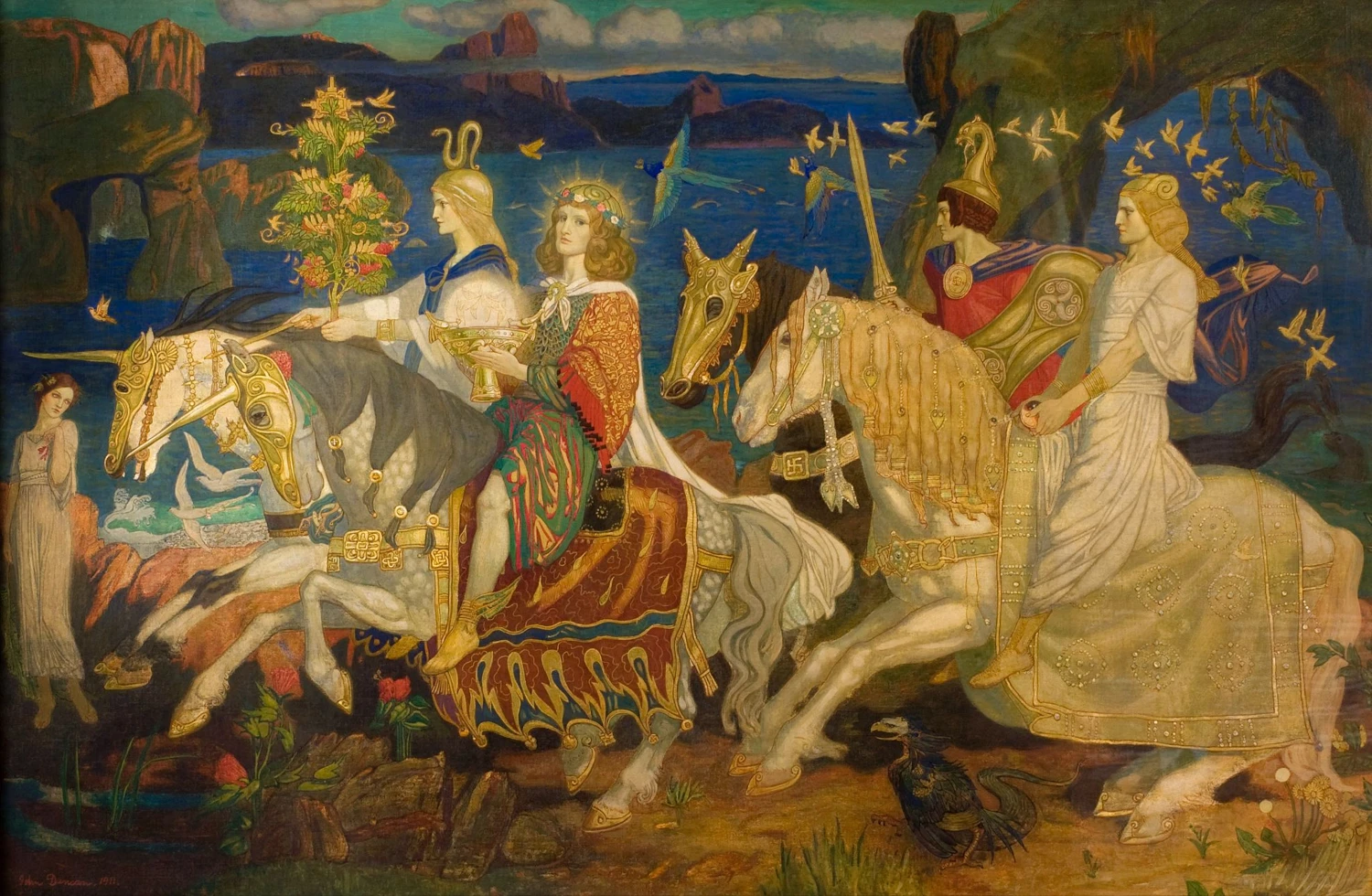
While Cooper's Old Ones serve the Light, that does not necessarily mean they are kind. We see that particularly in the story of Hawkin. Hawkin is Merriman's servant and foster son, a young man who loves and trusts him. But Merriman places Hawkin's life in danger to protect the Book of Gramarye. When Hawkin realizes Merriman was prepared to sacrifice him in service to the Light, he is devastated.
The Dark exploits that resentment, ultimately turning Hawkin against the Light. From Merriman's perspective, he has done what was necessary. But from Hawkin's perspective, the man who raised him and whom he trusted has betrayed him, and that is something Cooper deliberately explores. She has spoken about how absolute good can become fanatical, just as absolute evil can. There is not always room for human emotions or moral ambiguity. Being on the side of the Light doesn't necessarily mean being humane.
The Lords of the Dark, meanwhile, sometimes remind me even more strongly of the dangerous fae of older folklore. Particularly the Black Rider. There is something familiar about the way he uses magic: the power of a name, a lock of hair, the attempt to bind someone through the simple act of sharing food. These are ideas that appear throughout European folklore, particularly in stories about encounters with the Otherworld. But there is something else interesting about the Dark.
For all its tremendous supernatural power, it spends an awful lot of time trying to influence human beings. It tempts them, frightens them, deceives them, and exploits their weaknesses. The Light, despite its own powers, also has to account for human choice. Neither side can simply do whatever it wants. There are laws that even these ancient beings must obey, and that becomes particularly important in the next book.
Book Three: Greenwitch
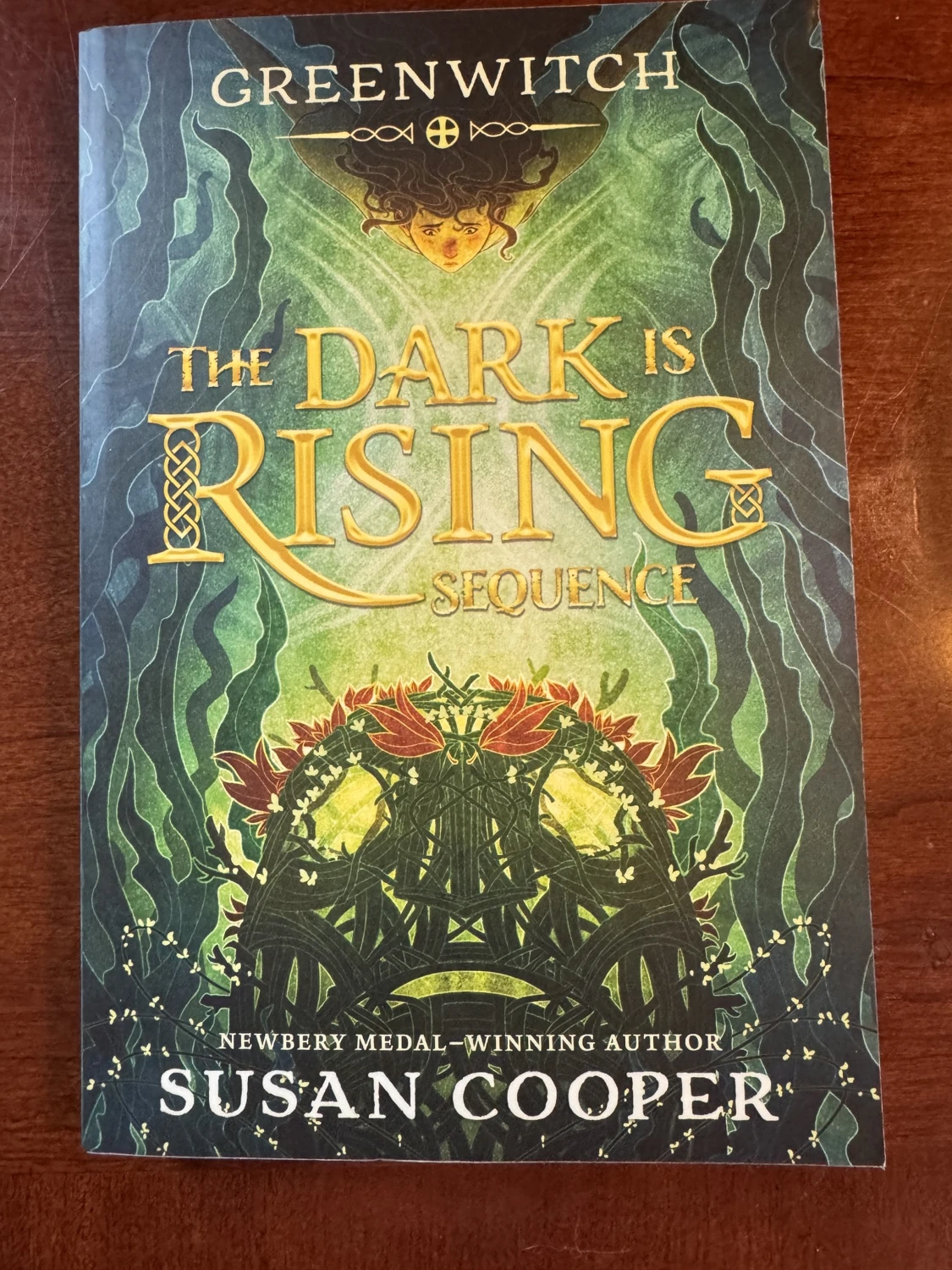
Greenwitch is probably my least favorite of the five books. Although that's not to say it is bad. In some ways, it might be one of the most important books in the sequence because it expands on something Cooper has only hinted at so far.
There are powers in this world that don't belong to either the Light or the Dark, and both sides are bound by the Law—with a capital L. The story brings Simon, Jane, and Barney Drew back to Trewissick, where they meet Will Stanton for the first time and once again look for the Grail.
Apparently, after all the trouble they went through to find it in the first book, somebody put it in a museum, where it was promptly stolen. So now they need to recover the Grail and the missing manuscript that will allow them to decipher the writing on it. But the really interesting part of this book is not the search for the Grail. It is the Greenwitch herself.
The story takes place in spring, around Beltane, and the village women gather for an ancient ceremony in which they construct a figure out of hawthorn and rowan branches, leaves, and greenery. The men then carry the Greenwitch down to the sea and cast her into the water, in a ritual intended to bring good fortune to the fishing village.
Jane is invited to participate, and when the women make their wishes, she wishes that the Greenwitch could be happy. This turns out to be incredibly important. Because the
Greenwitch is not simply a figure made of branches. She is connected to Wild Magic, an ancient, elemental power that does not belong to either the Light or the Dark. Both sides want something she possesses, but neither can simply force her to surrender it. For all the efforts of Will, Merriman, Simon, and Barney, it is Jane's simple act of compassion that ultimately makes the difference.
It is not magical power, some ancient spell, or superior knowledge that resolves the problem. It is a perfectly ordinary girl feeling sorry for something that everyone else sees as a source of power.
There is plenty of action elsewhere in the book. Will moves through time, we encounter another agent of the Dark in the form of a rather sinister painter, and Barney once again finds himself vulnerable to supernatural manipulation after accepting a drink. Remember that rule about accepting food and drink from the fae?
We see more of the laws governing the supernatural world. The painter tries to use powers beyond his authority, and the consequences are rather severe. But we also get a glimpse of something far older. Cooper introduces Tethys, a name that goes all the way back to Greek mythology and the ancient powers of the sea. Which is fascinating, because suddenly we are not dealing exclusively with British or Celtic mythology anymore.
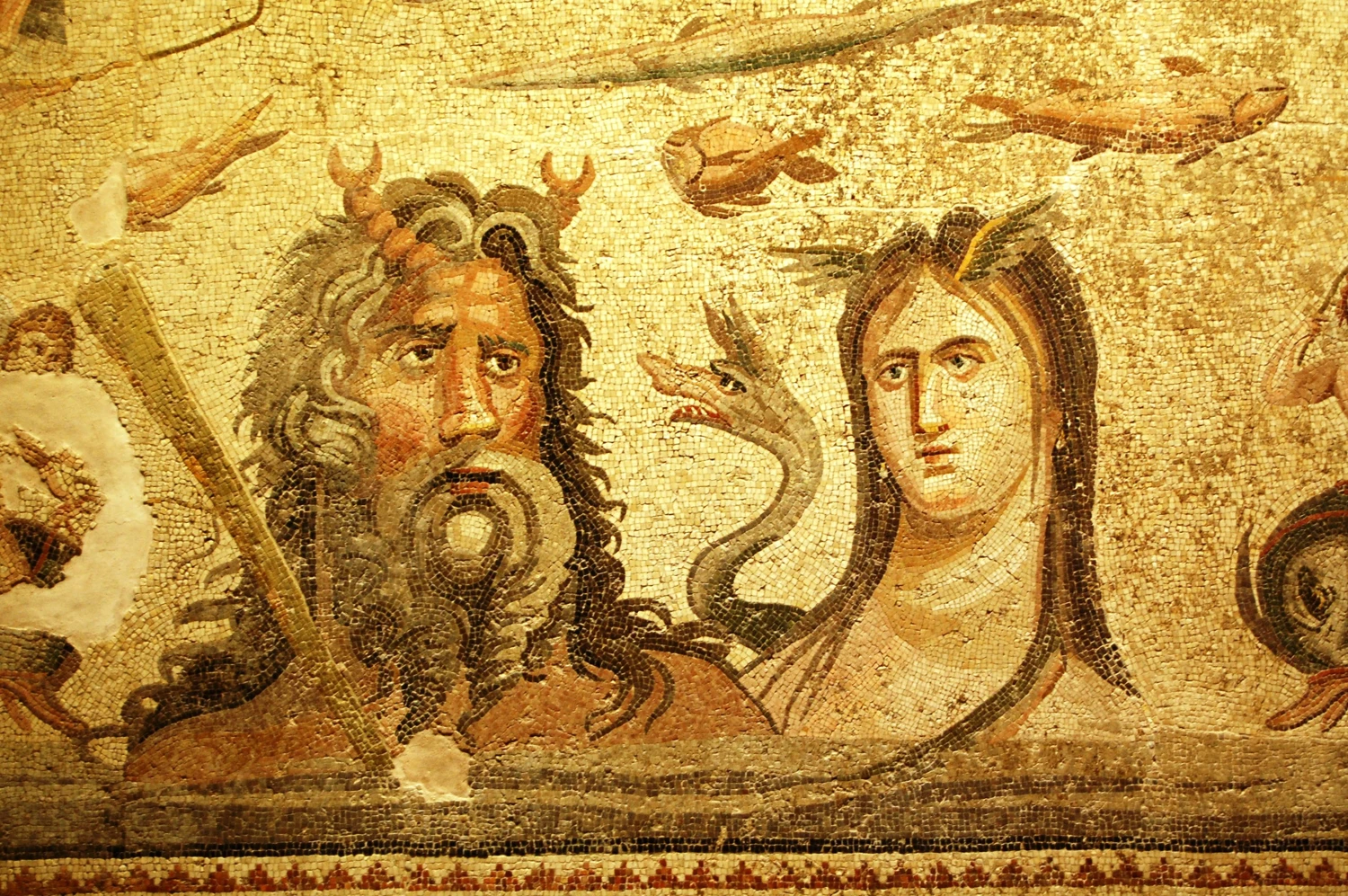
Cooper is reaching further, blending traditions that developed in completely different parts of the ancient world. That is what makes Greenwitch so important to the sequence. It expands Cooper's mythology beyond a relatively straightforward struggle between good and evil. Other powers, and other obligations. Ancient laws that even the greatest servants of Light and Dark cannot simply ignore. Magic isn't simply about being powerful enough to do something.
Above the conflict between Light and Dark stands High Magic, an authority whose laws even the greatest supernatural beings must respect. Cooper never really explains where those laws came from. She does not need to. Their existence makes the world feel enormous. The characters are involved in a struggle that has been going on for centuries, perhaps millennia, but even that struggle is only one part of something much larger. That is what makes the magic in these books so convincing. It does not feel arbitrary. It feels like it belongs to a world that has always existed, and we are only being allowed to see a little of it.
So while Greenwitch probably is not the book I would recommend someone start with, and it is not my favorite, it adds a tremendous amount to the world Cooper is building.
Book Four: The Grey King
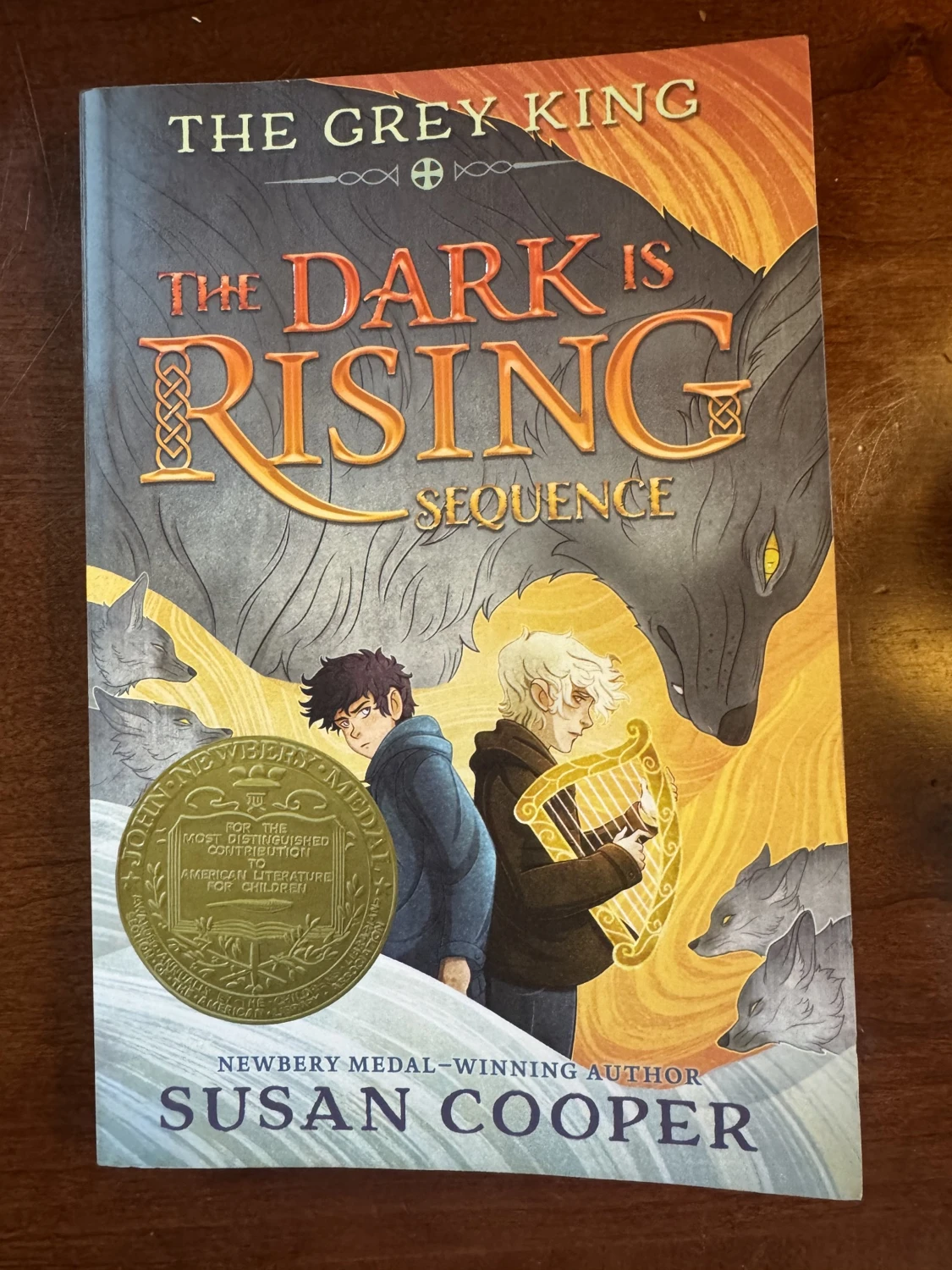
The Grey King is the fourth book in the sequence, published in 1975, and it won the Newbery Medal the following year. This is another book that leans heavily into the idea of High Magic, of powers and obligations that exist beyond the struggle between Light and Dark.
The story takes place in Wales, in the autumn, around Samhain. Will Stanton has been seriously ill with hepatitis, and his family sends him to stay with his aunt and uncle on a farm in the Welsh mountains to recover.
Now, I will admit, this is probably the part of the book that I had the hardest time with during my reread. Will has apparently been dangerously ill, and the solution is to send him to a cold, wet mountain farm in Wales in October. I am sure the fresh air was supposed to do him good, but it sounds like a questionable recovery plan to me. Fortunately, the rest of the book more than makes up for it.
In Wales, Will meets Bran Davies, a mysterious boy with white hair and tawny eyes who arrived at the farm under rather unusual circumstances when he was an infant. Here the story begins to feel almost Tolkienian. Ancient powers awaken in the mountains; there is a mysterious boy tied to kingship, a legendary golden harp, and a struggle against a supernatural enemy who seems as much a part of the landscape as the mountains themselves.
I think Wales itself is practically another character in this book. There is something genuinely ancient about those mountains, and this is one of those wonderful places where the geology makes the folklore even more interesting.
The mountains of Wales are connected through an ancient geological history to the Scottish Highlands, the mountains of Newfoundland, and the Appalachians of eastern North America. Hundreds of millions of years ago, before the Atlantic Ocean existed, these lands were being shaped by enormous collisions of continents. Some formed more than four hundred million years ago. These mountains are older than the dinosaurs, older than bone. Older than the forests that would eventually cover much of the world. Possibly even older than Saturn's rings, if some of the more recent theories about their formation are correct.
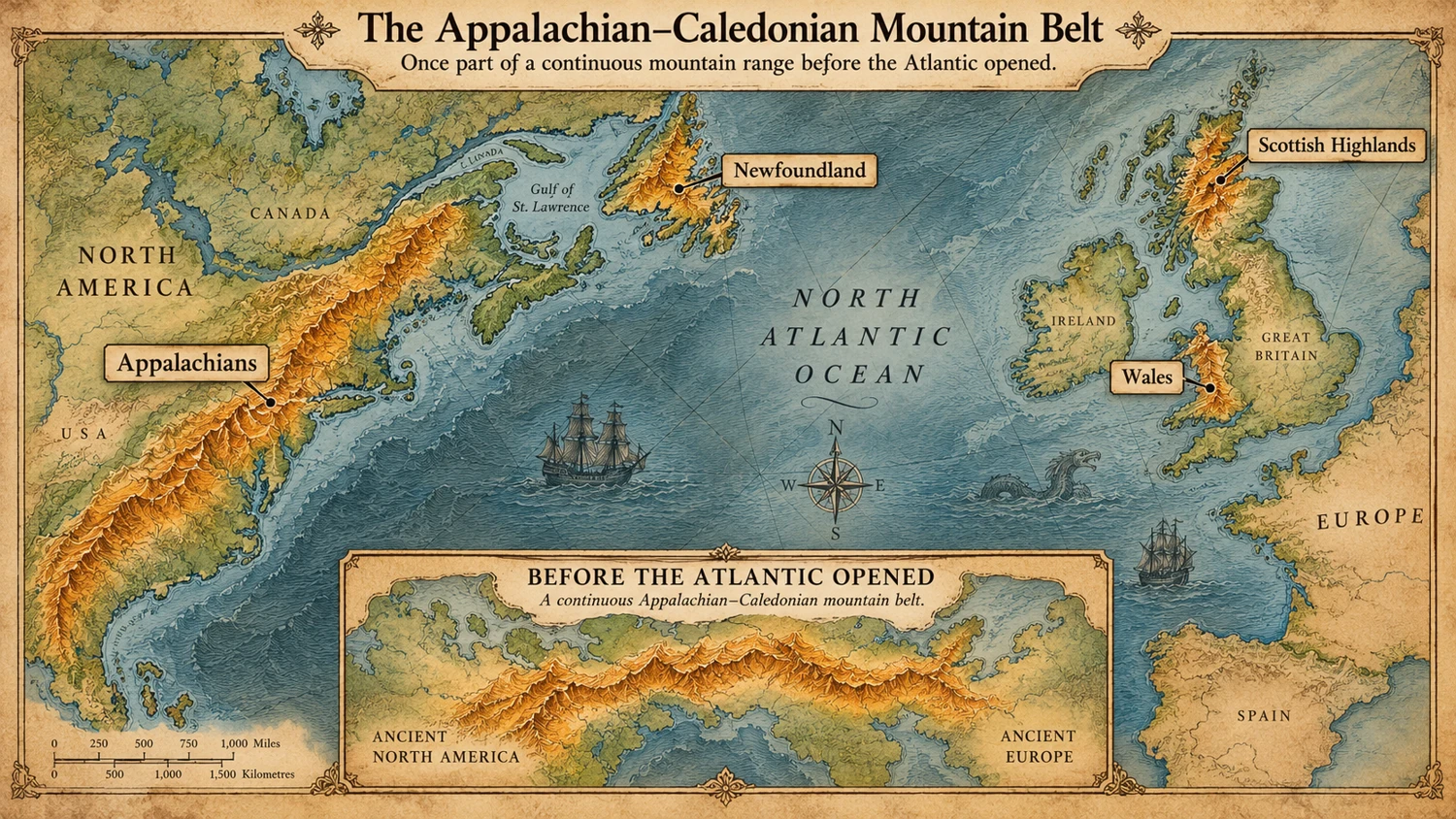
There are places where the landscape has existed on a scale of time that is almost impossible for human beings to comprehend. Perhaps it is not surprising that people living among these mountains developed stories about things older than themselves. Stories about spirits in the mist, voices calling from the hills, and the dangers of wandering into places where human beings might not be welcome. Do not answer if something calls your name from the darkness, and do not go whistling after dark. Those warnings echo familiar folklore on both sides of the Atlantic, though the traditions are not all the same.
Cooper leans into that sense of age and uncertainty. The Grey King himself, the Brenin Llwyd, comes from Welsh folklore, a mysterious presence associated with the mountains' mists. In Cooper's story, he becomes a terrifying Lord of the Dark.
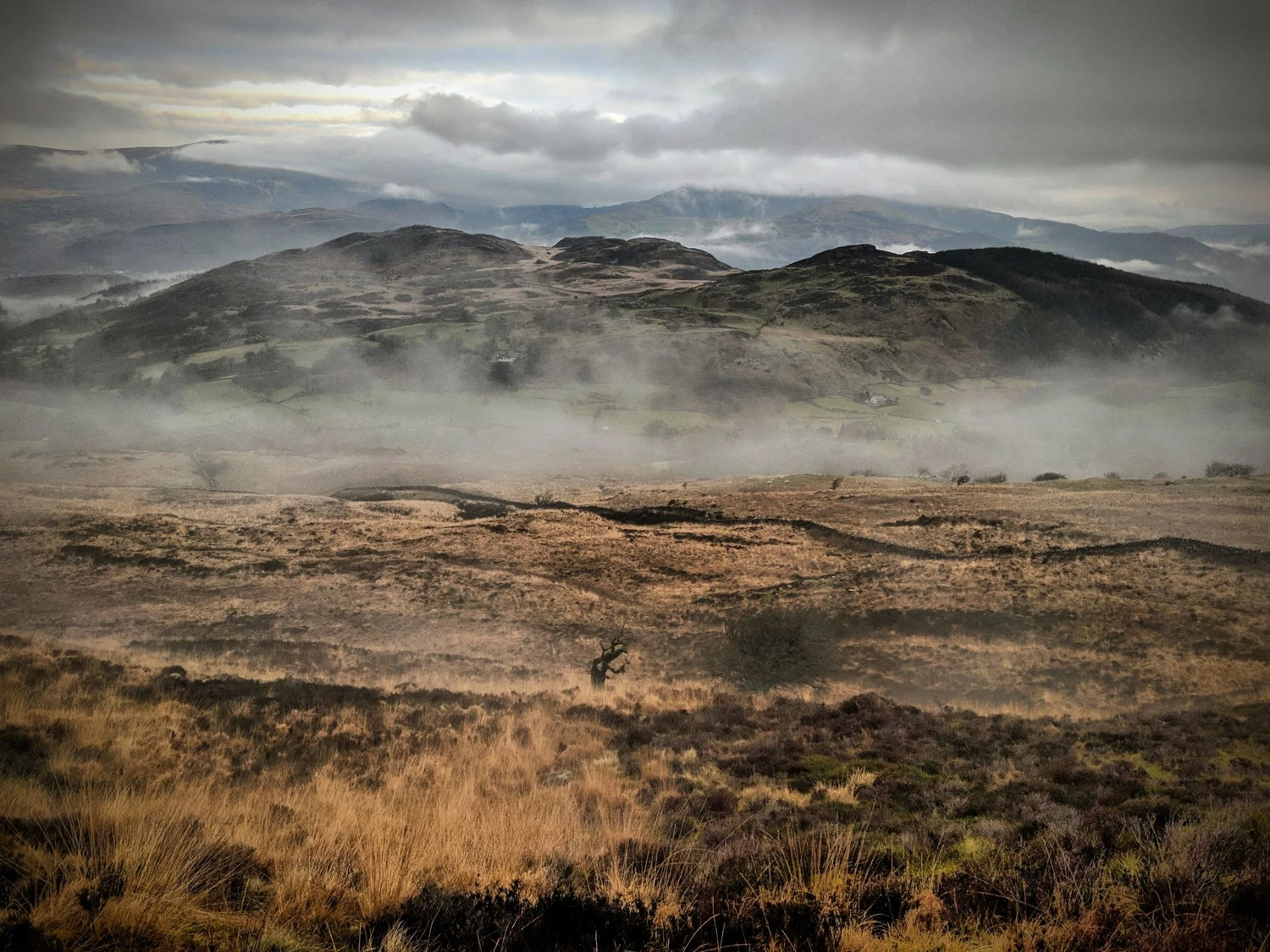
He feels almost older than the conflict itself, although that is more an impression created by the landscape and the mythology than something Cooper explicitly establishes. Will and Bran must recover the Harp of Gold and awaken the Sleepers, ancient warriors needed in the final struggle. But the quest is also tied to kingship, particularly the authority of the High King and the obligations High Magic imposes.
Cooper seems to suggest that true kingship is not merely a matter of possessing power. It carries obligations established by a higher Law, something that even the Light and Dark must respect. The great kings of these stories generally serve the Light, but I wonder whether that's because they're inherently required to, or because rulers like Arthur, guided by Merriman, chose to build and protect rather than dominate.
Once again, the Dark's efforts rely heavily on the weaknesses of ordinary human beings. Fear, jealousy, resentment, and cruelty give the Grey King ways to reach into the human world, and there is a genuinely painful consequence.
Bran's dog, Cafall, who, incidentally, shares his name with Arthur's dog in Welsh legend, is killed. I know some people would rather be warned about that in advance, so consider yourselves warned. That loss is genuinely painful. It is one of the moments when the consequences of the struggle between Light and Dark become terribly human.
Despite that, or perhaps partly because of the emotional weight of the story, this book speaks to something deep within me. There is a feeling I get reading it that I don't quite get from the other books. Maybe it is that quiet little voice that whispers that there are things much older than us out there. Things that were here long before we arrived. Things that may not always welcome newcomers. Cooper captures that feeling beautifully, and for me, that is what makes The Grey King such a remarkable book.
Book Five: Silver On The Tree
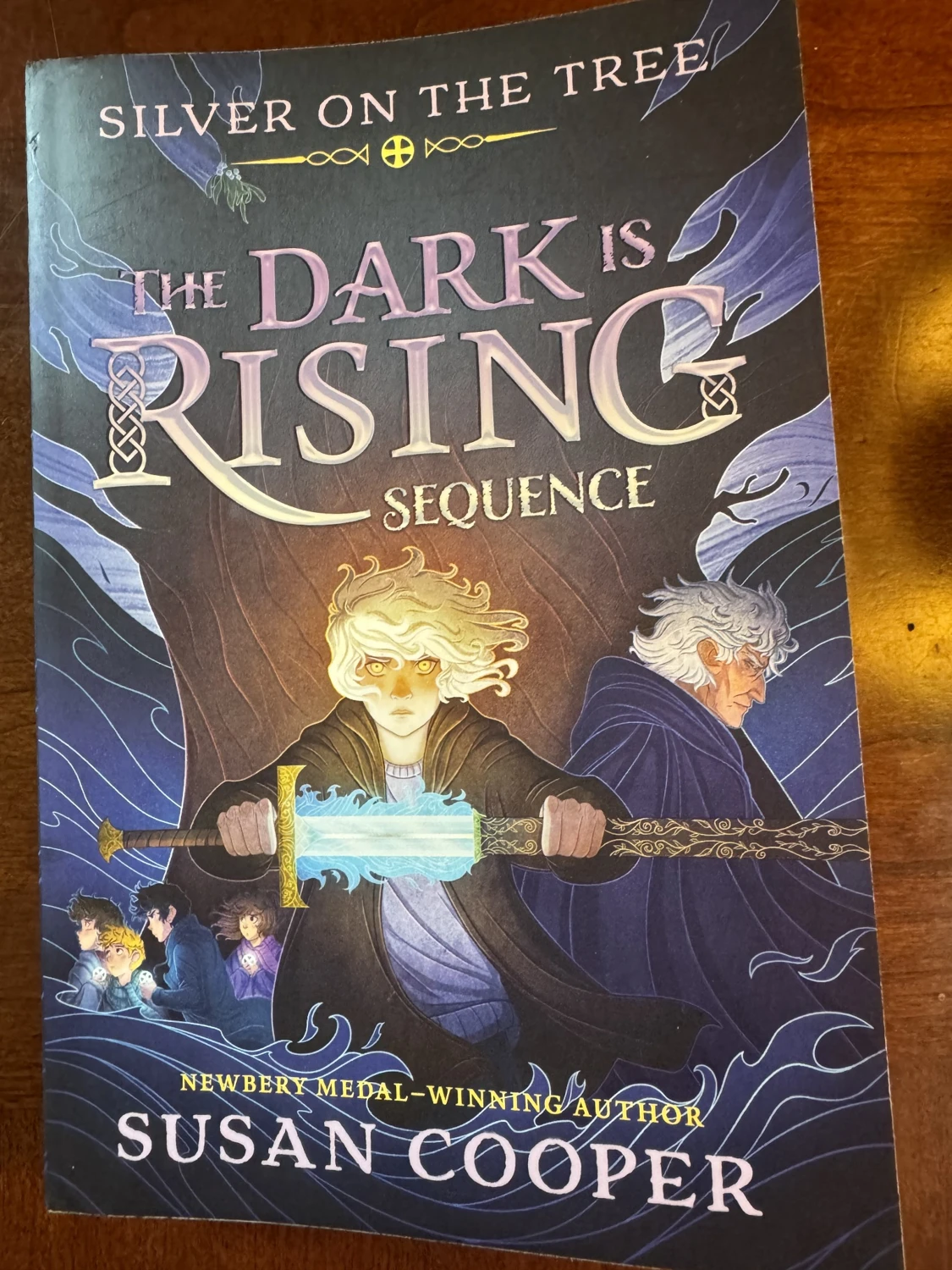
Silver on the Tree is the fifth and final book in The Dark Is Rising Sequence , and this is where Cooper brings all the threads together. All five children return, and each has a part to play in the final confrontation between the Light and the Dark.
Jane encounters the afanc, a monstrous creature from Welsh mythology, traditionally associated with lakes and rivers. I actually remembered the afanc from Pat O'Shea's The Hounds of the Morrigan , another book that draws heavily on older Celtic mythology.
Once again, we encounter the idea of something ancient and monstrous lurking beneath the world. Simon and Barney face their own challenges, particularly the power of fear and the way the Dark can use it to manipulate ordinary human beings, and I kept coming back to that famous line from Dune : "Fear is the mind-killer."
Because that is really what the Dark is doing throughout much of this book. It is not simply throwing monsters at the children. It is trying to overwhelm them with fear, doubt, and despair. But my favorite part of the book is Will and Bran's journey into the Lost Land. This is where Cooper really leans into older Welsh and Arthurian traditions.
She gives us a mysterious lost kingdom, a glass castle, Gwion the bard, magical trees, apples, and a whole collection of symbols that feel like they've come straight out of the earliest stories about Arthur and the British Otherworld. Gwion is particularly interesting because he's associated with Taliesin, the legendary Welsh bard. There is the Mari Lwyd, a terrifying spectral horse drawn from Welsh folk tradition, which pursues Will and Bran during their quest.
If you have never encountered the Mari Lwyd, look it up. The traditional Welsh custom involves a decorated horse's skull carried from house to house around Christmas, where it engages in what I can only describe as a medieval Welsh rap battle with the residents. If the horse's party wins, they get to come inside and eat your food and drink your booze. Apparently, even in medieval Wales, nobody wanted to lose a rap battle to a dead horse Cooper takes that already rather unsettling image and turns it into something genuinely frightening.
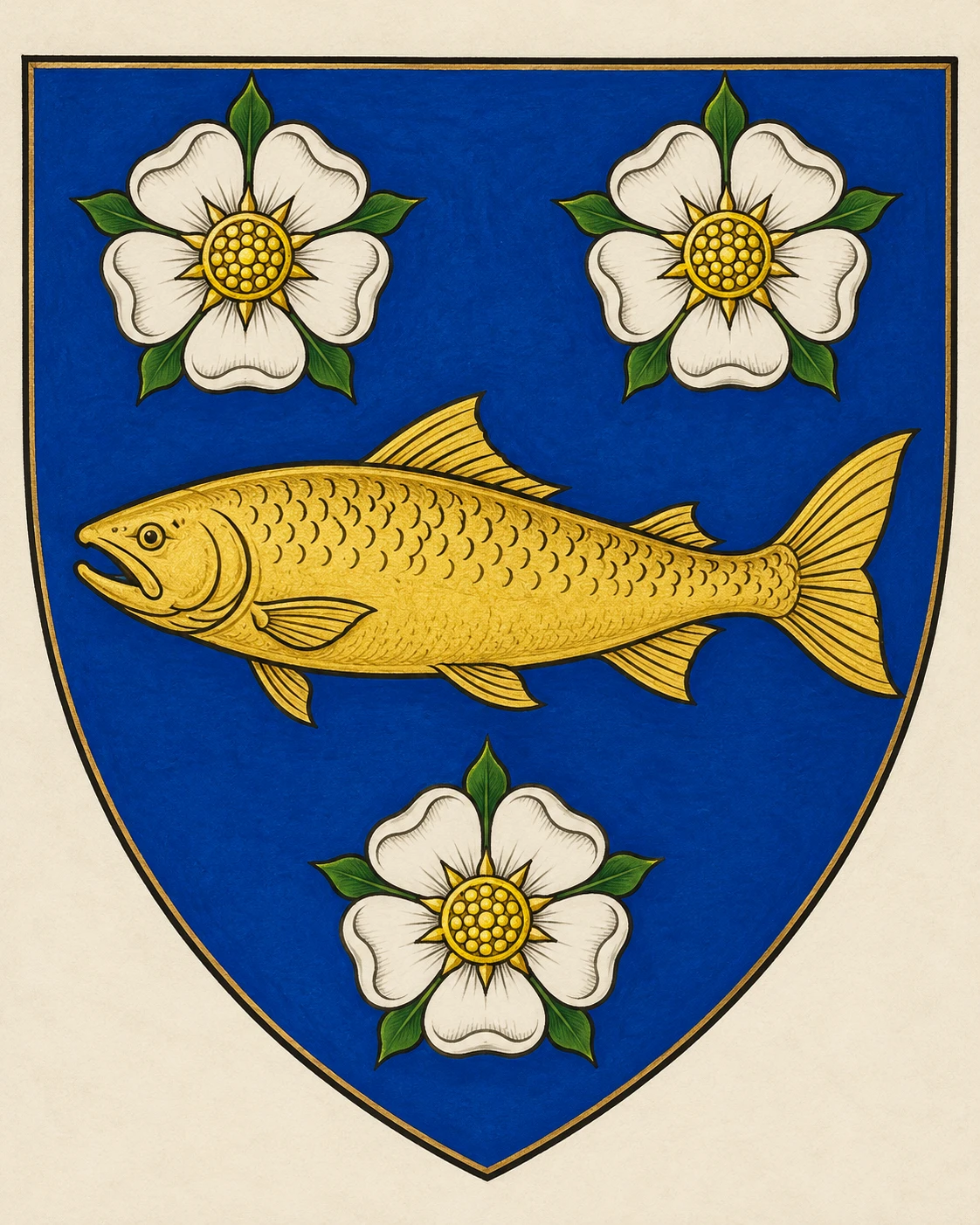
The glass castle is wonderful. Will and Bran encounter King Gwyddno, the ancient ruler associated with the creation of the crystal sword Eirias, and here is another interesting connection. Gwyddno belongs to older Welsh legend, while the fish imagery associated with him recalls the Fisher King of the medieval Grail romances. Once again, Cooper is blending different centuries of mythology into one ancient-feeling world. But Gwyddno has been overcome by fear and despair.
The Dark does not necessarily need to defeat someone through force. Sometimes it just needs to convince them that they have already failed. Ultimately, Bran must overcome the challenges of the Lost Land and claim the sword that belongs to his inheritance.
There is another detail here that I find fascinating. Will and Bran accept apples and nuts from Gwion while they are in the Lost Land. Remember what I said earlier about never accepting food from the fae? Well, apparently that is not an absolute rule in Cooper's world. Perhaps it depends on who's offering the food, and what obligations accepting it might create. Or perhaps Cooper is simply drawing on several different mythological traditions rather than constructing one completely consistent set of rules.
The supernatural world in these books does not feel like a game where every magical creature comes with a clearly defined list of abilities and weaknesses. It feels older and stranger than that. There are rules, but we do not necessarily know all of them. That is much closer to the feeling I get from reading old folklore.
The Final Confrontation
Once the children complete their quests, they reunite for the final journey to the Midsummer Tree. The Light and the Dark come together for one last confrontation, and we finally see the full importance of the ancient laws that have governed the entire sequence. The Dark argues that Bran belongs in the past, in Arthur's time, rather than in the modern world. The Light argues that he belongs in the present. Despite all the tremendous powers gathered there, neither side gets to make that decision.
It is left to John Rowlands, a human being. John decides that Bran belongs in the present, with the people who have loved and raised him. These are ancient supernatural beings, capable of traveling through time and influencing the world's fate. But on this decision, they are bound by a higher Law. An ordinary human being makes the judgment because he has the freedom to choose.
That brings us back to something Cooper has been exploring since The Dark Is Rising . The Light and Dark may possess tremendous power, but human beings are not simply pieces on their chessboard. They can choose, and those choices matter.
Bran uses the crystal sword to cut a silver blossom of mistletoe from the Midsummer Tree, and the Dark is finally driven from the world. But Cooper does not give us a simple, triumphant ending. Because if the Dark must depart, then the Light must depart as well.
The ancient supernatural powers withdraw from the world, and humanity is left to determine its own future. Merriman and the other Old Ones must go. The age of magic is ending, and Will, the last of the Old Ones, remains behind as a silent witness, carrying the memory of a world ordinary humans will no longer remember.
That is a beautiful ending. But it is also terribly sad. Throughout these five books, Cooper has shown us a world filled with magic, ancient beings, forgotten kingdoms, and powers that have existed since before recorded history, and now all of it is going away. The world belongs to humanity, which is ultimately what the Light has been fighting for.
But victory means losing something wonderful, and perhaps that is where I feel the Celtic influence most strongly. The ending has a melancholy, a sense that the older world is passing away and something irreplaceable is being lost, even as a new age begins. It is the same feeling I get from stories about the old gods withdrawing, or the fairy folk disappearing into the hills, leaving the world to ordinary human beings.
It is a victory, certainly. But it is a victory worth mourning, and I think Cooper handles it beautifully.
Closing Thoughts
Maybe that is the thing that stayed with me most after finishing these books. Susan Cooper spends five novels showing us a world filled with ancient magic. With Old Ones, legendary kings, forgotten kingdoms, the Wild Hunt, creatures from Welsh and Celtic folklore, and Powers so old that even the immortals must obey their laws.
The really remarkable thing is how naturally these different traditions fit together. Cooper does not give us a textbook on British mythology. She gives us a story that makes the mythology feel real. Along the way, she introduces readers to ideas they will encounter again and again in fantasy, like the importance of names, the dangers of supernatural bargains, ancient beings whose morality does not necessarily match our own, the power of the natural world, and the idea that some laws exist beyond even the greatest magical powers.
These are the foundations of so much fantasy that came afterward, and while some of the individual books show their age, I think the sequence as a whole holds up remarkably well. But perhaps the most interesting thing Cooper does is what happens at the very end. After spending five books bringing the ancient world to life, she takes it away.
Not because magic was evil or humanity defeated it. But because the world now belongs to us. The Light wins, but the age of magic ends. Humanity inherits the world, along with all the responsibility that comes with it, and somewhere, perhaps, the last Old One remembers what we have lost.
I think that is a wonderful conclusion to a remarkable series. If you have not read The Dark Is Rising Sequence , or if it has been a few decades since you last visited it, I think it is well worth your time. Especially if you have a younger reader you would like to introduce to the ancient mythology that lies beneath so much of the fantasy we read today.